

Finding the right word: Neuroacceptance
What if different ways of thinking were simply accepted as part of how we work, learn and live? Exploring the shift from neuroinclusion to neuroacceptance, where difference is naturally accepted rather than accommodated.
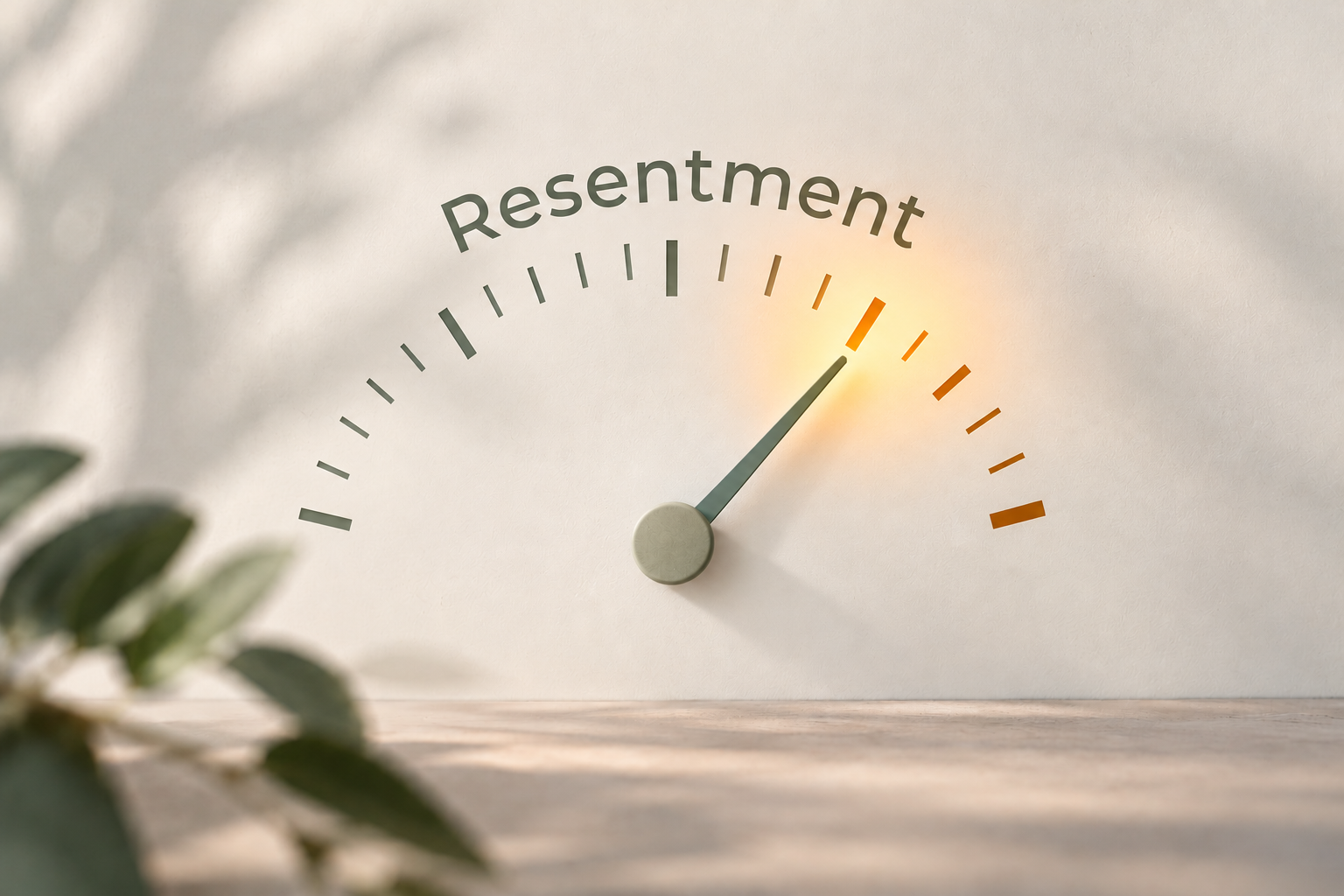
How resentment helped me
Sometimes the strategies we develop to manage our higher-effort areas become so effective that we don’t recognise when they are costing us too much.
As a dyslexic thinker, being organised, taking responsibility and working harder helped me succeed. But over time, I began to recognise resentment as a useful signal that something was becoming misaligned. What could resentment be telling us about our patterns, motivations and boundaries?

Do you want the whole movie or just one scene?
Open-ended questions are often used to encourage creative thinking, but for me they can sometimes make it harder to know where to begin.
As a dyslexic thinker, I find that a simple example or a little structure can help me focus my thinking, reduce any uncertainty I have and help me generate ideas. Sometimes giving thinking a starting point creates more possibilities, not fewer.
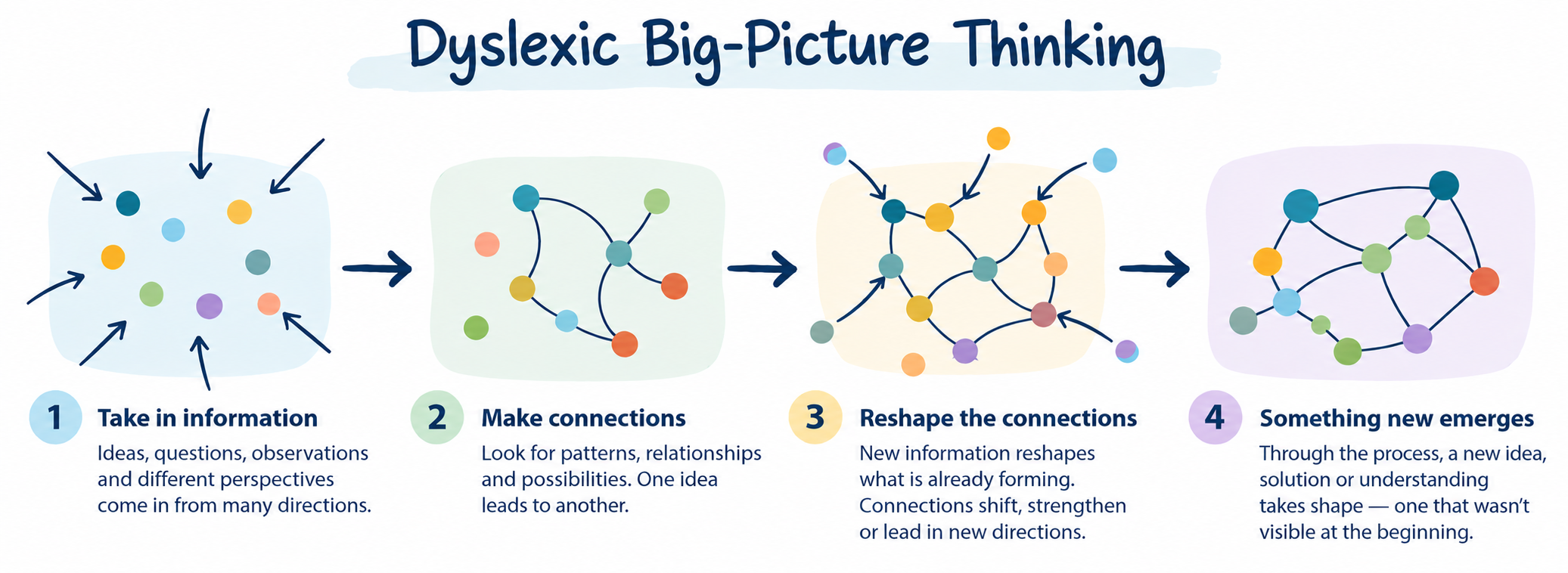
Dyslexic Big-Picture Thinking
Big-picture thinking is often described as being able to see the end result before you begin. But what is actually happening in our thinking as we build that picture?
I explore how my thinking develops through complex, interconnected frameworks, and how those frameworks become a space for generating new ideas, making connections and adapting as new information emerges.
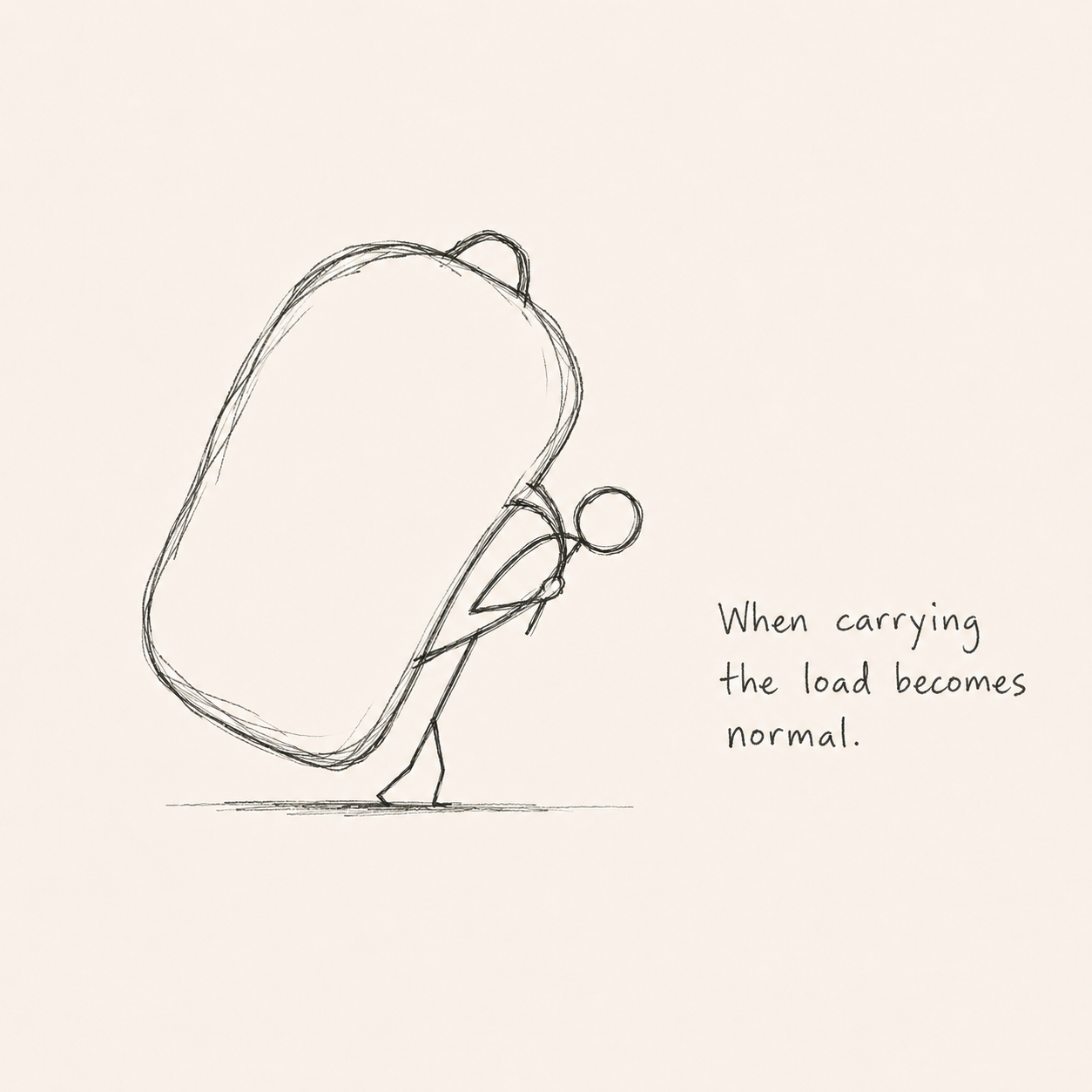
When the load becomes normal
Exploring how adapted dyslexics often normalise masking, compensating, and higher effort zones, and why awareness can become a powerful turning point.